
On September 5, 2025, US President Donald Trump signed an executive order restoring the name of the Department of Defense to its pre-1949 title, the Department of War.1 In keeping with his brand of “saying the quiet part out loud,” Trump’s move to replace the term “defense” with the term “war” reads like an admission of the true mandate of this branch of government: waging war. In the lead-up to his signing of the order, Trump explained how the euphemistic 1949 rebranding had ushered in an era of prolonged conflicts and marked the end of US military victories. In other words, reverting the title should bring back “the good old days” when the US military fought and won wars that had clear beginnings and ends.
The new/old name performs an important rhetorical move that works on two levels: it folds military activity carried out by the US into the framework of war, thereby granting it moral and legal legitimacy, and it pushes the boundary of how war is understood.
This development thus points to a broader problem: even though it is repeatedly challenged and undermined in practice,2 the legal-conceptual framework of war as defined by international law continues to be used to describe forms of military activity that amount to occupation, expansionism, interventionism, and other kinds of organized political violence and warlike conditions.
In the early nineties, the French sociologist and philosopher Jean Baudrillard famously argued that the disappearance of the declaration of war, and, consequently, the disappearance of its end, were indicators that the “Gulf War” could not be considered a war. He described the wars of his times—and eventually of ours—as police exercises in domination rather than duels between armies, as had been the case prior to the modernization of warfare. Baudrillard based this description on a second argument in favor of revisiting the vocabulary of war: the rampant disregard for proportionality in armed conflicts, which has been absorbed into war discourse via the term “asymmetrical warfare.” To this, I add yet another argument—which is at the heart of this essay—the increasing inoperability of the principle of distinction through which international law codifies the civilian-military duality, creating the categories of “combatant” and “noncombatant.”3
Despite growing and warranted criticism, the logic and language of international law retains its hold over both public discourse and foreign policy. In particular, this principle of distinction of international law remains a legal and moral benchmark against which the legitimacy and acceptability of killing, destruction, torture, trial, detainment, and suspicion are determined. It maps onto a naturalized, dualistic understanding of the relationships between civilians and the military. But its ramifications reach beyond the immediate context of organized military violence: Civilian and military designations are driving principles that have transcended the “battlefield” and gone on to pervade economic and industrial policies and trade through concepts like “agile manufacturing”4 and “dual-use.”5 In fact, the civilian and military realms have historically been entangled in ways that dualistic conceptions foreclose and conceal. Their interrelationship has become increasingly difficult to ignore as it has been amplified by the convergence of technological, media, and socioeconomic developments.
While the principle of distinction is often present in legal and humanitarian discourse,6 its spatial dimensions remain underexplored. In this essay, I argue in favor of revisiting the vocabulary of war and the framework of international law that predominantly produces it. I focus primarily on the inoperability of the principle of distinction by examining the spatialities through which contemporary military violence is organized and enacted: How are conceptions of the civilian-military nexus shaping and shaped by the ways in which contemporary societies organize and inhabit space? When, where, and through which mechanisms does some-one-thing begin and cease to be considered “military?”
The legal construction of distinction: The dualist codification of international law
International law recognizes two mutually exclusive categories of humans in armed conflicts: noncombatants (who must be protected) and combatants (who may be killed). Thus, international law constructs noncombatants through a negative definition: there is no such thing as a “civilian” per se; a civilian is simply a noncombatant. It is then unsurprising that international law can be weaponized under paranoid imperial mandates:7 everyone is a combatant until proven otherwise. This leaves noncombatants with the burden of having to prove their noncombatant status—often while they are under threat or attack.8
Although seemingly reductive, international law nonetheless accounts for gray areas and attempts to resolve their ambiguities. Two points are particularly useful to keep in mind. The first is that affiliation does not equate to participation. In other words, being a member of an armed party or a combatant group does not necessarily make one a combatant or a legitimate target. As flawed as it is, international law still recognizes that a combatant is only a combatant while they are directly involved in hostilities (i.e., operating a weapon). What is more, “Protocol II of the Geneva Conventions distinguishes between those who are fighting and those who are not (or those who are no longer fighting),”9 stating that “the whole population is considered to be civilian and is protected unless and for such time as they take a direct part in hostilities (Article 13.3 APII).”10 International law, therefore, does not consider “combatant” a fixed identity, but a role bound in space and time that one might step into and out of. And it is only while one is in that role, cognizant of risking one’s life (except for the drone operator), that one’s life can be “legitimately” taken.
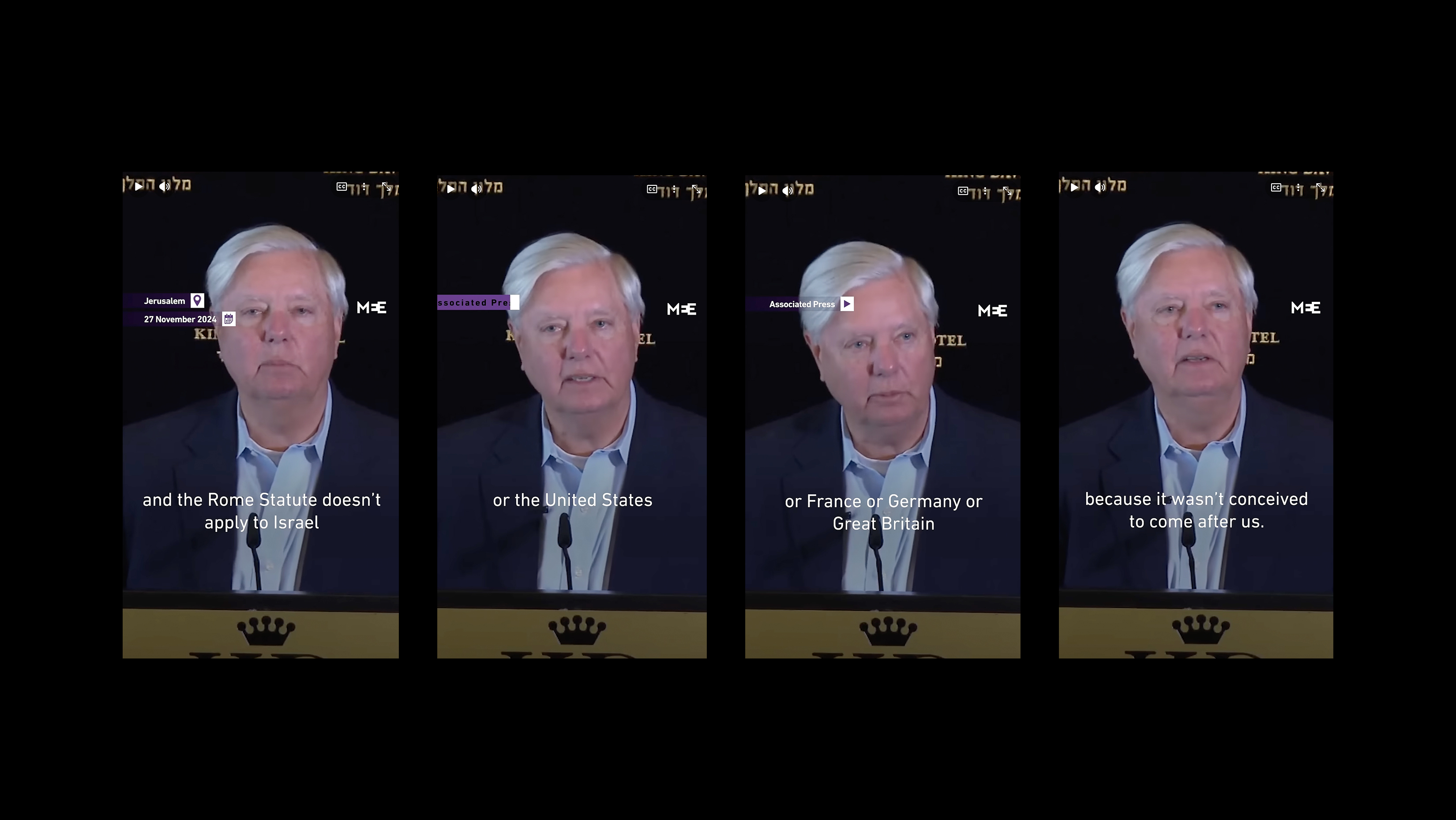
The second point is that, contrary to what Annalena Baerbock, the former German minister of foreign affairs, once stated11 and then denied12 after she was elected president of the UN General Assembly, international law also stresses that “the presence of armed elements within the population does not deprive it of its civilian character and of the protection attached (Article 50 API).”13
Yet, despite these protections, Israel equates affiliation with participation and disregards civilian protection when it conducts aerial raids on densely populated areas under the pretext of targeting members of armed groups. International law is then clearly no guarantee of protection when one is faced with high explosives and airpower. Legal principles are no match for atrocity. At best, their application can provide a symbolic, historic sense of justice after the fact, but it cannot bring back the dead.
An international framework is only as useful as the consistency with which it is equally and justly applied to all implicated . But there is, of course, ample evidence to the contrary. The US Military Commissions Act of 2006, conceived in the wake of the attacks of September 11, 2001, codified, for example, the category of “unlawful enemy combatant.” The president was, in turn, granted broad discretion to determine this status under US law, providing conditions under which figures were stripped of all protections, detained, and tortured. What does it say about international law that the lawyers of the George W. Bush administration14 could “turn the definition of torture on its head”15 and make legal attempts to introduce and operationalize the category of “unlawful combatant”?
What does it say about international law if the principle of distinction is invoked, across Occupied Palestine, to afford armed settlers and a more widely hypermilitarized society the rights and protections that international law reserves for civilian individuals, communities, and objects?16 What does it say about international law if it is simultaneously being weaponized17 by Israel to manufacture discontent with18 and legitimize the outright massacre of Palestinians, Lebanese, Yemenis, Iranians, and others?
In “When Settlers Become Civilians,” Mohammed Jameel Abdulla explains19 how time and procreation together turn settlers into rights-holders and citizens. “To pursue the logical conclusion to the settler question means warfare,” Abdulla writes, and “to adopt an attitude of warfare toward civilians defies common sense morality.” Ultimately, Abdulla concludes, “a third cosmic horror befalls the Dispossessed: The Dispossessed become terrorists.” So when Israel attempts to justify genocide by claiming to be faced with “the children of darkness,” with “Hamas media operatives,” and with a population of “human shields”20 that has chosen a “terror organization” to rule over them, those “pursuing the path of justice” must refuse to engage with such discourse, lest they, upon reaching its logical conclusion, become terrorists, too. By this logic, civilians are not innocent any more than combatants might be culpable.
The civilian-military nexus: Agility for some
The term “dual-use” was introduced after World War II to account for the civilian and military applications of nuclear material. Its scope was later widened and the term operationalized to categorize and regulate the mobility of materials and technologies considered to have military applications (i.e., things that, by design, have the potential to be weaponized). Categorizing something as dual-use is a kind of self-fulfilling prophecy: it all but guarantees that a seemingly neutral object will fulfill its lethal potential by invoking the very possibility ascribed to it. The term also maps directly onto the civilian-military duality: it posits civilians and the military as separate realms, while at the same time collapsing them by claiming a belonging to both. Its paradoxical nature raises a set of additional questions that challenge the applicability of international law, such as: if a ship carrying materials that have explosive potential docks in a civilian port, then does the port temporarily lose its civilian status?
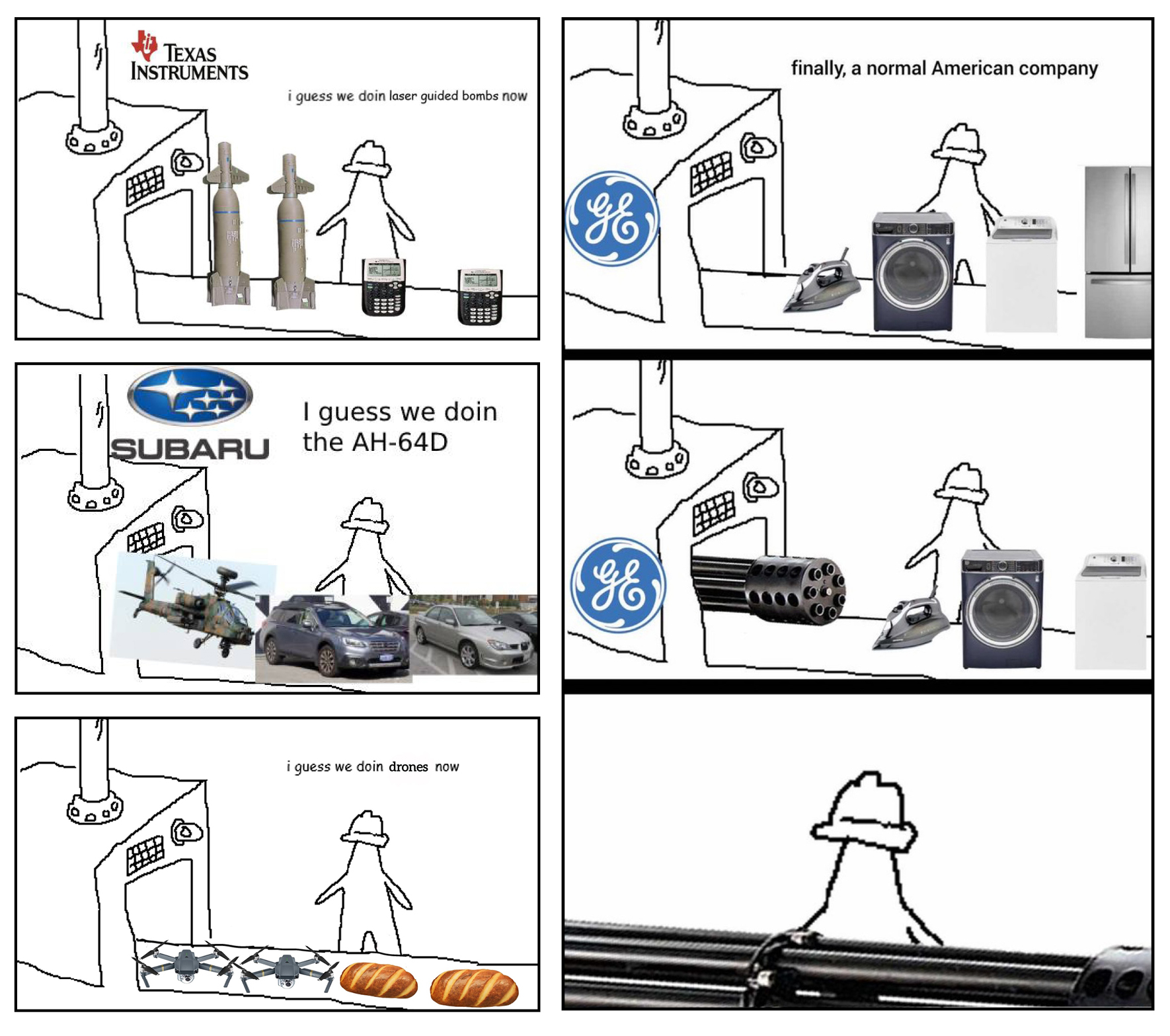
The logic of dual-use was crystallized in a 1991 report funded by the US Department of Defense, produced by academics and led by industry actors. This report introduced the paradigm of agile manufacturing.21 As a strategy, agile manufacturing was founded on a dual-use logic and aimed to compete with Japanese manufacturing by making things programmable after purchase. Software updates, bug fixes, and such—but also, if the “geopolitical climate warrants”: surveillance, tracking, weaponization, and “bricking” (remote disabling). The principles of agile manufacturing are not limited to end products. They also apply to how production systems operate: to making manufacturing responsive to changing conditions and requirements, including those set forth by, for example, the Department of War. In other words, this framework is a blueprint for repurposing the factories that produce refrigerators or cars into ones that produce tanks or bombs. Agility is thus an antonym to distinctiveness.
In many ways, the civilian realm has historically been at the service of the military realm: one is not born but becomes—is made into—a soldier. Materials are not inherently, but become—are made into—weapons. Resources, industries, and people are routinely mobilized for the “war effort.” During World War I, people in Germany, Austria, and the UK were asked to donate metal from their kitchens and gardens. Pots, pans, doorknobs, railings, even communities’ church bells and organ pipes were melted down into munitions. The “civilian home” was literally dismantled to become an arsenal. At the scale of industrial production, the privately owned French automaker Renault mobilized to build and produce the FT 17 tank for the French army; it was followed by Italy’s Fiat, which built the Fiat 3000 tank. These are all early examples of agility at its finest.
The interdependence of the civilian and the military tends to be somewhat successfully concealed in imperial cores, except when it is celebrated and used to garner support for troops or increases in military spending. But the porosity between the civilian and the military is denied to those engaged in armed struggles for liberation. In these contexts, distinction is constructed as a condition that determines who is humanized and who is legible as a victim: it is manipulated and weaponized to legitimize their killing. Mohammed el-Kurd illustrates this double standard22 by referring to the way Western news media has, in the past three years, authorized Israelis and Ukrainians to humanize their fighters without distancing themselves from them—to recognize the civilians within the combatants by referring to them as brothers, sons, friends, and the like. On the other hand, those on the receiving end of imperial military violence—Palestinians, Shi’ites, and others—are repeatedly asked to reinstate civilian distance from armed struggle, and to demonstrate distinction where there is none. Agility here is not tolerated.
Where is war? The spatiality of warfare and the (in)operability of distinction
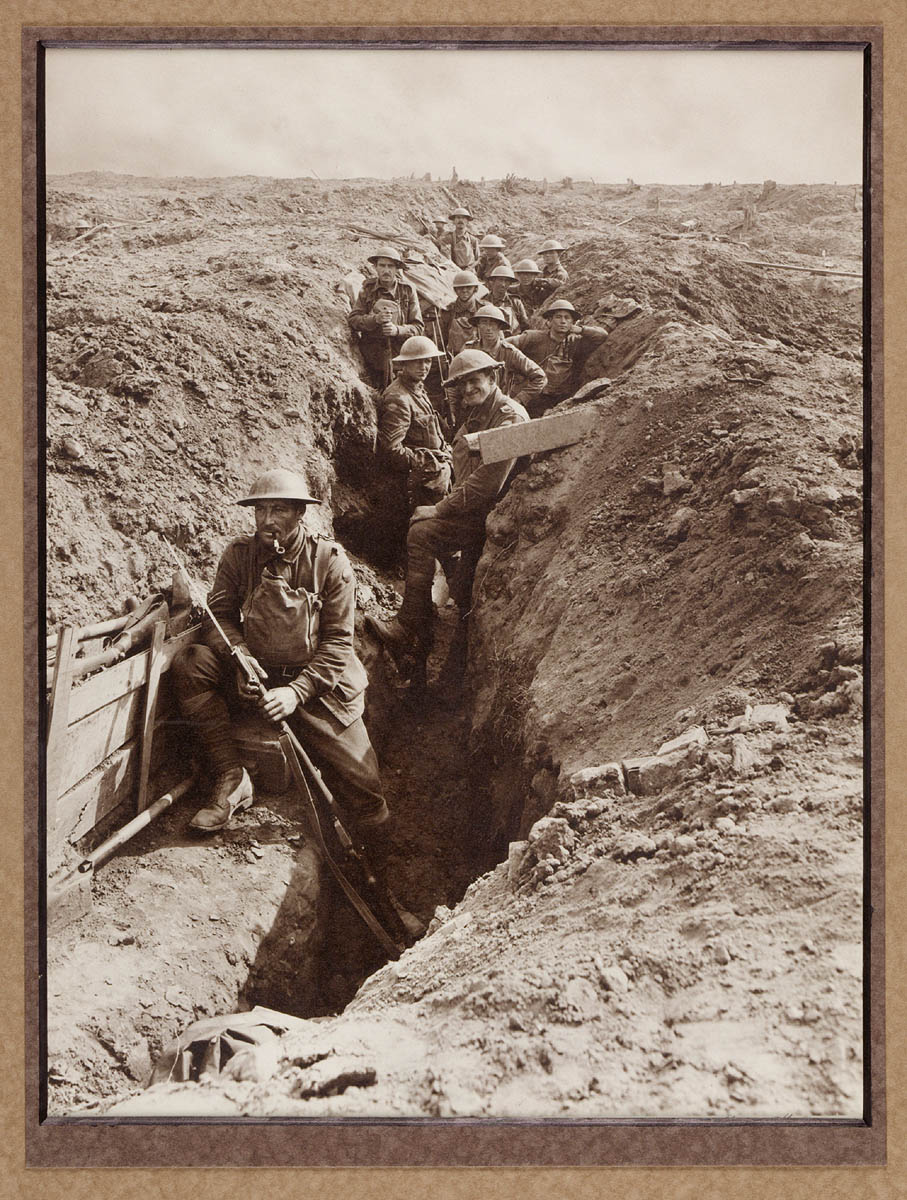
Sustaining the separation and separability of civilians and combatants requires resources, one of them space. But ever since the first industrialized mass killing apparatus known as World War I, the spaces through which organized military violence comes to exist, and that make it possible, have moved well beyond the trench and taken on increasingly different forms. The front line—that space of proximity with combat and death that was conceived as distinct from common “civilian” life—no longer exists as such. This is due to multiple factors.
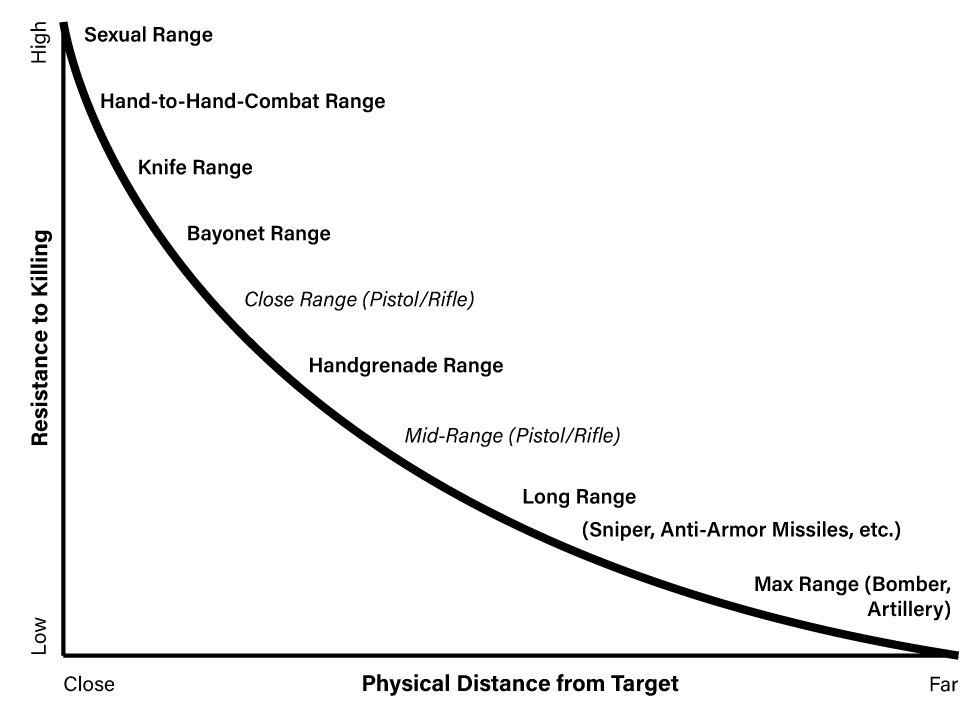
One factor is the evolution of weapon technologies: Although ranged weapons are not modern inventions, the decoupling of the combatant’s body from their weapon and the industrialization and technologization of weaponry certainly are. How do physical and visual distance from a target relate to the act of killing and to the willingness to carry it out?23 One way this decoupling has taken place is through the development of heavy artillery and missile technologies, which accelerated during World War I.24 Consequently, World War I is still called “the first experience of total war,” where the world saw “the dissolution of the juridical distinctions among governments, armies, and people.”25 Indeed, missiles expanded the space of military violence26 well beyond combat zones and the scale of bodies in combat, and brought so-called civilian spaces within the reach of the battlefield.
In the 1920s, following the 1918 Armistice, the Hague Commission on Air Warfare attempted to regulate aerial bombardment by outlawing the deliberate targeting of civilians. This presupposed that missiles could be systematically controlled and that their violence was targetable and precise. It sidelined their indiscriminate violence—be it deliberate, accidental, or deliberately accidental—and overshadowed the predictable unpredictability of blast events.27 The regulation did not prevent the carpet bombing of Dresden and the dropping of the atomic bomb on Hiroshima and Nagasaki in 1945. Even forms of spatial reorganization developed in the 1940s and 1960s, like “Atomic Urbanism” and “Cold War Planning,” quickly became obsolete with the development of intercontinental ballistic missiles, drones, and other forms of remote military assault that accelerated the expansion of an ever-more-destructive battlefield.
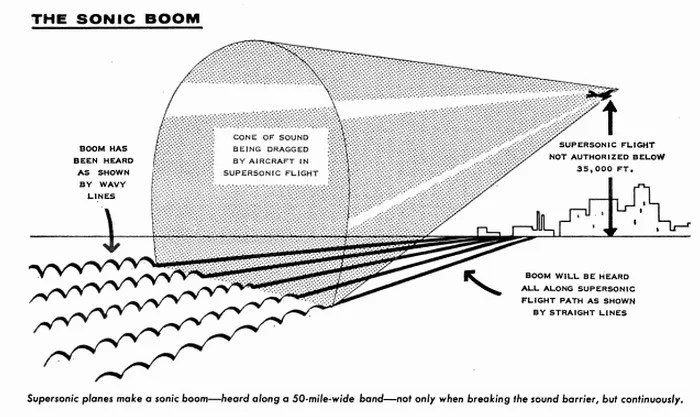
But this is not only about “high” or “advanced” technology. It is also about how basic technologies are deployed indiscriminately: the constant sound of surveillance drones does not care for the distinctions of international law. Neither do terror, forced starvation, toxicity, and booby traps. The shock wave of a sonic boom,28 for example, runs through all bodies and flesh whether they hold guns or not, belong to a certain party or not.
Just how a shock wave enters the brain is still not understood. Some believe entry is through the natural openings in the skull: the eye sockets, ears, nostrils, and mouth. Another theory is that since shock wave pressure hits the entire body, not just the head, it’s transmitted into the chest or abdominal cavities and surges to the brain by way of the body’s vasculature. Once inside the skull, the wave advances through the brain at the speed of sound, passing through both fluids and matter, which respond differently to the wave’s properties.29
The mass atrocity committed by Israel on September 17–18, 2024, which it branded “Operation Grim Beeper,” is propagandized as a precise and highly advanced intelligence operation. But there was nothing precise or advanced about this crime: by infiltrating supply chains and setting up shell companies to conceal their involvement,30 the Mossad remotely and simultaneously detonated thousands of communication devices that it claimed belonged to Hezbollah operatives. While this attribution is meant to legitimize the operation, it in fact violates international law in more ways than one.31 During the attack, the devices happened to be located in homes, hospitals, grocery stores, city streets, and funerals. Some of the devices exploded in the hands of healthcare workers, and in the hands of children and family members of the alleged targets, killing or maiming32 and disabling them for life. Although the operational details of the attacks quickly became public knowledge, this did little to calm the widespread terror and suspicion that Israel could, at any moment, detonate devices like mobile phones or household appliances like refrigerators and air conditioners from a distance.
The practice of booby-trapping is testament to how everyday objects can be turned into lethal weapons that operate through an extended temporality. The Israeli Occupation Forces have often rigged toys and food cans in Palestine33 and Lebanon34 to explicitly target the starved and the young when and where they least expect it. These objects seamlessly blend into the environment, waiting to kill or maim long after “war” is declared over. Similarly, since 1982, Egypt has documented over eight thousand casualties in the Western Desert due to land mines from World War II35—an average of more than 180 casualties each year, roughly one death every other day.
Unexploded munitions—in other words, technical failures—continue to ravage countries once subjected to indiscriminate aerial bombardment.36 In Europe, hundreds of millions of unexploded shells from the 1914–1918 period remain along the Western Front where public access is still restricted. In Gaza today, the UN estimates that 5 to 10 percent of the tens of thousands of tons of ammunition dropped by Israel remain unexploded and pose a daily threat to Palestinians.37 In South Lebanon, Israel enacts domicide and ecocide despite a ceasefire agreement, leaving people without inhabitable homes or arable lands for years to come.38 It is thus not only the spatiality of warfare that has expanded, but also its temporality.
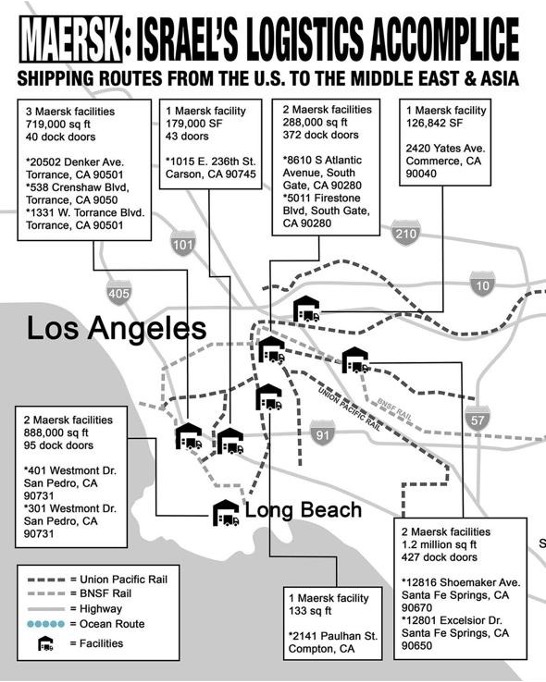
The spatiality of military violence has also shifted with the evolution of how military labor, research, logistics, and procurement are organized.39 While previously centralized in state arsenals, factories, and institutes, military violence today operates through semiprivatized, outsourced, and globalized networks. Some of the technological changes mentioned also mean that military violence can be carried out from “peace zones” or “safe areas.” Drone operators sit in secure air-conditioned rooms, seamlessly exiting the military realm when they punch out of work and go home at the end of the day.40 In parallel, the privatization of “defense” industries41 further expands the spatiality of military violence: production moves into urban commercial zones, or is subcontracted to private firms that are dispersed across the world. Contractors often share industrial parks, shipping ports, airports, and other logistical networks with civilian industries. The last two years have helped us realize just how many ships and planes share space with us as they carry weapons and weaponizable goods.42 But international law predates this spatial redistribution and thus does not account for the ways it complicates its applicability.
Media has also evolved the space of war, not just through the representation of military violence but also through material and operational fusion with telecommunication infrastructures.43 This coming-together has driven informational and psychological warfare as well as, increasingly, surveillance, the coordination and execution of military operations, logistics, and fundraising. Over the years, digital media operations have, in fact, come to comprise a fourth branch of the military, alongside the army, navy, and air force.44 In particular, “social media has emerged as a primary battleground in military operations.”45 The year 2009 saw, for example, the Israeli Occupation Forces establish a New Media Desk, which included the launch of a blog, a Twitter account, a YouTube channel, and real-time online campaigns led by trained full-time operatives.46 It has used this digital presence to try to strengthen its online public diplomacy (Hasbara) to legitimize the occupation and slow genocide in Palestine.
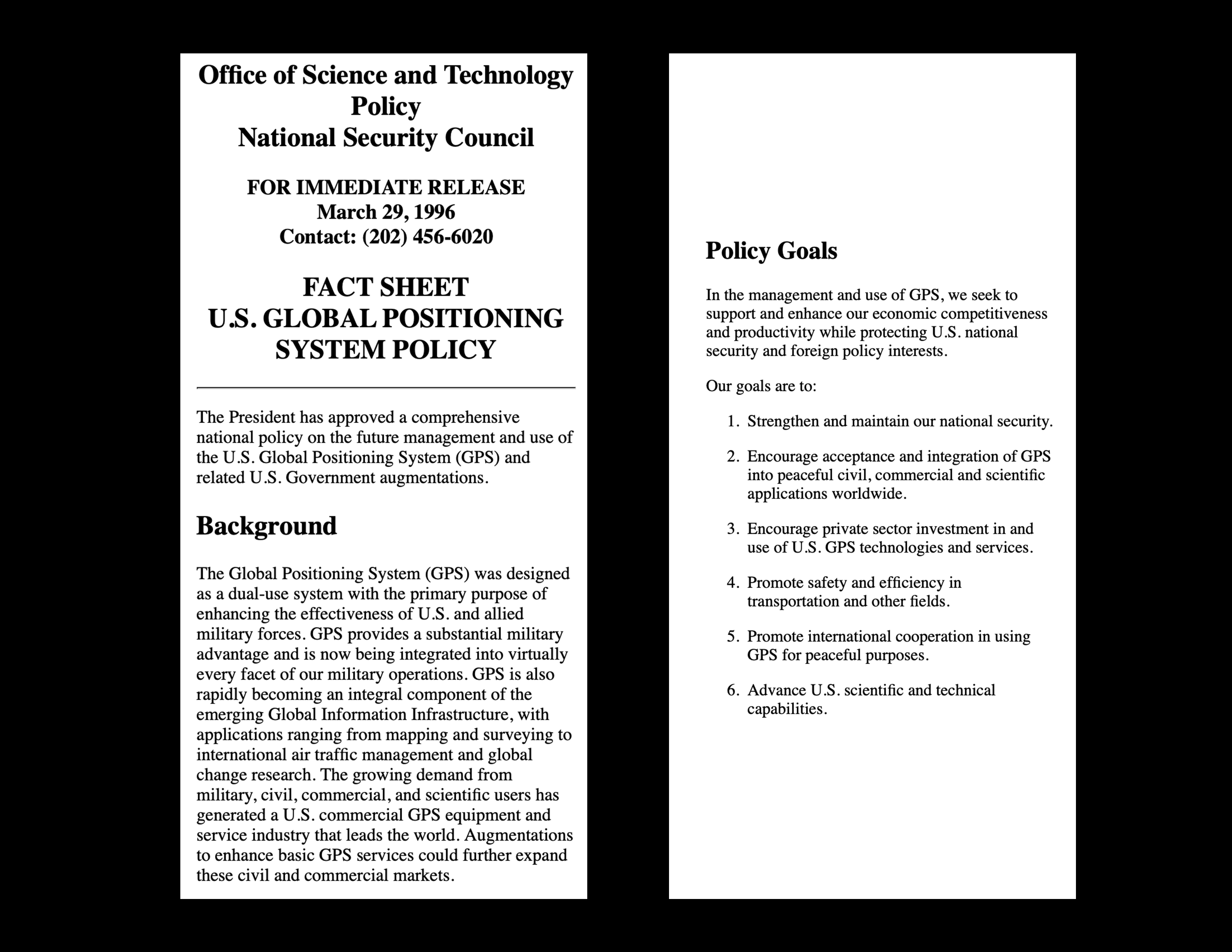
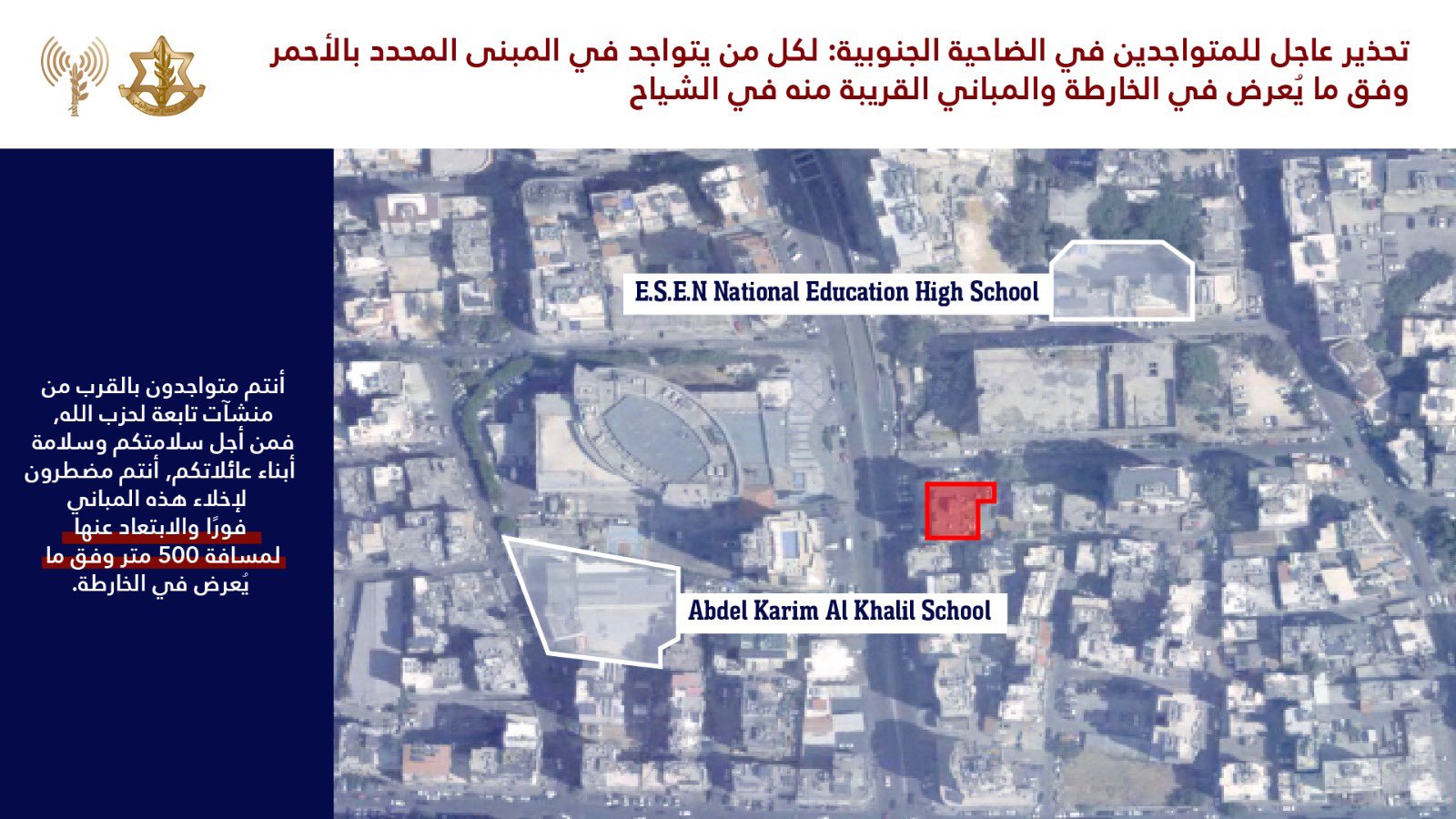
In the last three years, it has also deployed displacement orders through these platforms,47 marking the incorporation of social media in military operations. Beyond these dedicated channels, and since the intensification of its assaults on Lebanon in 2023, Israel has also repeatedly jammed GPS signals above Lebanon. This may make the use of guided missiles more difficult, but it also severely impacts civil aviation, and any device or technology using geolocation, from map and location services, to ride-sharing apps, dating apps, and weather forecasts. Civilians and the military rely on much of the same infrastructure; thus, when these infrastructures are targeted or weaponized, it becomes very difficult to speak of distinction.48
Finally, there is also a sociopolitical dimension to the question of where war is and may be enacted: under an imperial world order, military confrontation may involve armed resistance groups, insurgents, guerrilla fighters, militias, and other forms of nonstate military actors.49 These actors tend to be socially embedded in, emerging from, and operating within populated urban communities and spaces, especially in contexts where national armed forces are incapable of or unwilling to provide defense to these communities and spaces. They may have nonmilitary organs within their structures, which provide education, healthcare, or financial services. Despite the provisions of international law, this socio-spatial continuity is often weaponized to frame these actors as legitimate targets, and to treat their non-armed branches and their social infrastructures as extensions of the military. Presupposing that functioning states must hold a monopoly over the use of violence, foreign aggressors legitimize military interventions that claim to target nonstate combatants but in fact massacre communities and destroy the spaces that sustain them.50 This rhetorical maneuver transforms the ambiguities of distinction into a license to enact indiscriminate violence.
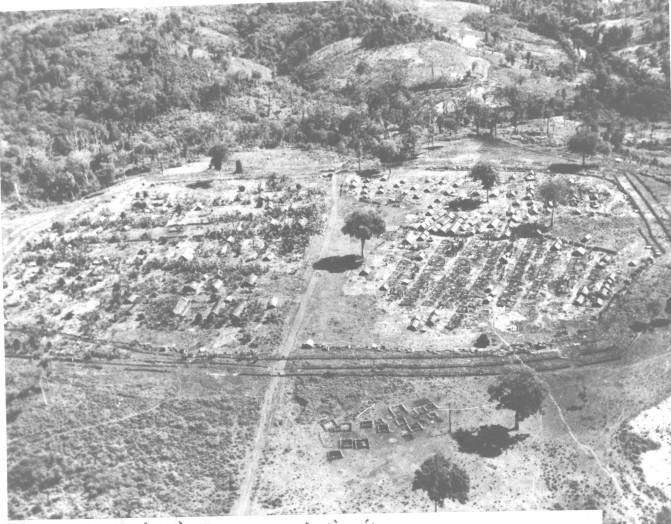
The ambiguity of distinction is similarly weaponized against national military institutions: In 1999, NATO bombed the Radio Television Serbia building in Belgrade, killing sixteen media workers. As justification, NATO claimed the station was spreading military “propaganda.” During World War II, entire cities were targeted not for their military installations but for their industrial and residential cores. These aerial bombing campaigns were justified as strikes against the social and civilian infrastructures that sustained the enemy’s war effort. Similarly wholesale and indiscriminate was the US implementation of the so-called strategic hamlet program in Vietnam in the 1960s, an effort to isolate communist fighters from their communities. Outside the “hamlets,” the US declared “free-fire zones.” Peasants who refused to be displaced from their homes to join the hamlets were considered insurgents and, thus, legitimate targets.51
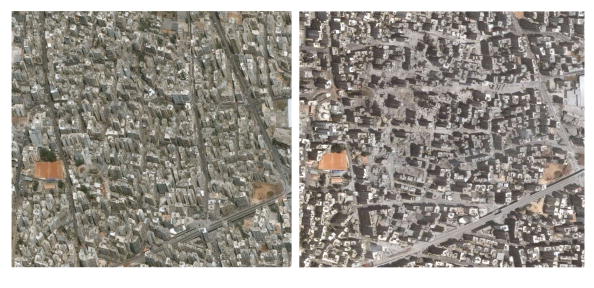
International law frameworks have not altered this course: this logic persists in the way Israel tries to legitimize its Dahye Doctrine, according to which it targets its opponents’ economic interests and centers of civilian power in an attempt to turn communities against militants. It is also behind its map-and-bomb practice, according to which it issues displacement orders to communities so as to isolate and locate militants. And it is embedded in its AI-powered Gaza Doctrine, through which it has automated and quantified the process of constructing targets. United under the umbrella of state terrorism, the key difference between the Gaza Doctrine and the Dahye Doctrine is the shift from targeting locations to targeting people regardless of their location.52 Israel has plainly stated its goals of aerial supremacy over Iran and the region as a whole, and of establishing buffer zones in parts of Syria and South Lebanon53 where it has already begun enforcing land- and air-based54 forms of occupation, its expansionist desires made concrete before our eyes.
The spaces and objects through which organized death-dealing unfolds, and that make it possible, are not neatly segregated along the lines of civilian and military. Rather, their spatial entanglement betrays the legal construction of distinction, thus pointing to its inoperability. And where distinction is inoperable, one simply cannot speak of war but of what is more adequately described in terms of atrocity, genocide, domination, or policing. Because it is under these kinds of conditions that one’s relationship to death and struggle cannot offer any kind of protection. And increasingly, it is in these kinds of conditions that people live and die.
Collapsing distinctions, Building solidarities
This predicament is akin to a military boomerang:55 technologies are developed by and for the military, then released and embedded in everyday civilian life to the point of dependency, after which they are recaptured by the military and weaponized at massive scales with little room to opt out of them. The very same internet infrastructure that many Palestinians in Gaza rely on as a lifeline enables cyberwarfare and military crowdfunding. Drones used to film weddings are being retrofitted to drop grenades. The animation and video game industries develop detailed 3D simulations that are then used in remote warfare to navigate complex terrains. Civilian industry is not separate from military power; it is its very underpinning.
The battlefield is no longer a place apart; it reaches everywhere and everything.
The distinction between civilian and combatant is nothing more than a construct. To recognize this is to admit that it is a politically motivated, historically specific, ideological fiction used to maintain and exercise power. It is not destiny. Disconnected as it is from lived reality and from the evolving spatiality of warfare, the principle of distinction has become inoperable. This allows it to be manipulated to expand the zone of killability and manufacture ungrievable bodies with impunity. If it has become painfully clear that international law was not designed to facilitate people’s liberation, then its reductive discourse must also be expulsed from debates, thinking, imaginaries. Its distortions must be exposed and its logics refused. And if they are to prefigure collective liberation, solidarities must be built outside its terms.56
-
Matthew Olay, “Trump Renames DOD to Department of War,” US Department of War, September 5, 2025, link. While the name “Department of War” can be used as a secondary title, the official statutory name of the department remains the Department of Defense unless Congress passes legislation to permanently change it. Some Republican lawmakers have already introduced legislation to codify the change into law. ↩
-
See Herbert Wulf, “Privatizing and Internationalizing Violence,” Economics of Peace and Security Journal 2, no. 1 (2007): 35–40, link; and Herbert Wulf, “Challenging the Weberian Concept of the State: The Future of the Monopoly of Violence,” Australian Centre for Peace and Conflict Studies Occasional Papers Series, no. 9 (2007), link. ↩
-
The principle of distinction between combatants and noncombatants is a cornerstone of international humanitarian law. It protects civilians, civilian populations, and civilian objects. “Where international humanitarian law grants ‘a permit to kill’ according to the rules laid down for combat, noncombatants must be protected.” Anicée van Engeland, Civilian or Combatant? A Challenge for the 21st Century (Oxford: Oxford University Press, 2011), 28. ↩
-
Developed by the US in the early 1990s, agile manufacturing is a production and manufacturing paradigm that emphasizes flexibility, adaptability, and reconfiguration. This paradigm and the 1991 report in which it was materialized were first introduced to me through the work of Donald Bertulfo, a PhD candidate at TU Delft working on on topics related to the programmable infrastructures agenda. See also his forthcoming work with Seda Gürses: Donald Jay Bertulfo and Seda Gürses, "On the Political Economy of Software-Driven Industrial Production: The Genealogy of Agile Manufacturing," Gürses, (2025). Under submission; and Donald Jay Bertulfo and Seda Gürses, "A 'New Spirit' of Software Production? The Emergence of Agile Software Development," (2025). Under submission. ↩
-
The term “dual-use” refers to commodities, software, knowledge, or technologies that have both commercial/civilian and potential military applications. The reflections in this text draw in part on an encounter of the Infra-Resistance group held in July 2025 under the title of "dual (ab)use" where the concept and its underlying assumptions were explored, and issues of technology and dual-use categorizations were politicized. ↩
-
For instance, South Africa’s ICJ case from January 2024 accuses Israel of violating this distinction by targeting hospitals/schools as “Hamas sites,” with provisional measures ordering compliance. The “Gaza Humanitarian Foundation,” launched on May 27, 2025, by Israel as a privatized, US-backed aid distribution mechanism, explicitly conditions aid entry and delivery on preventing diversion of aid to Hamas fighters. Amnesty International considers Israel’s targeting of branches of Qard al-Hassan, a nonprofit financial association affiliated with Hezbollah, a likely violation of international humanitarian law because the association constitutes a “civilian object,” link. ↩
-
See Anne McClintock, “Paranoid Empire: Specters from Guantánamo and Abu Ghraib,” Small Axe (March 2009): 50–74, Doi: 10.1215/07990537-2008-006. ↩
-
Evidence abounds as to this burden. See, for example: “Israel Kills 3-Year-Old Child in Gaza as Ceasefire Violations Mount,” Counter Currents, December 8, 2025, link. ↩
-
Van Engeland, Civilian or Combatant?, 6. ↩
-
Van Engeland, Civilian or Combatant?, 6. ↩
-
On October 10, 2024, Baerbock addressed parliament with the following statement: “When Hamas terrorists hide behind people, behind schools… civilian places lose their protected status because terrorists abuse it.” See “German FM: Israel Can Kill Civilians in Gaza to ‘Defend Itself,’” Middle East Monitor, October 15, 2024, link. In response, three hundred academics co-signed a letter calling for her to retract her statement. See Rayhan Uddin and Lubna Masarwa, “Academics Call on Germany’s Annalena Baerbock to Retract Gaza Comments,” Middle East Eye, October 29, 2024, link. ↩
-
Footage of Baerbock denying her previous statement can be found here: Middle East Eye, “This quote is not a quote I ever gave,” Instagram, September 13, 2025, link. ↩
-
Van Engeland, Civilian or Combatant?, 4. ↩
-
See Lisa Hajjar, The War in Court: Inside the Long Fight Against Torture (Oakland: University of California Press, 2022). ↩
-
Van Engeland, Civilian or Combatant?, 8–9. ↩
-
See “Civilians or Soldiers? Settler Violence in the West Bank,” ACLED, June 10, 2024, link. ↩
-
See, for instance, propaganda videos released on the Israel Defense Forces YouTube channel preceding aerial strikes on Gaza, Lebanon, Yemen, and Iran: “Home to Hamas Headquarters: This Is an IDF 3D Diagram of the Shifa Hospital,” YouTube, October 27, 2023, link; “Hezbollah’s Exploitation of Lebanese Civilians Explained,” YouTube, September 23, 2024, link; “The Pilots Striking Iran’s Nuclear Capabilities,” YouTube, June 20, 2025, link; “The Houthis: Iran’s Branch in the Red Sea,” YouTube, June 4, 2025, link. ↩
-
See Miriyam Aouragh, “Hasbara 2.0: Israel’s Public Diplomacy in the Digital Age,” Middle East Critique 25, no. 3 (2016): 271–97, link. ↩
-
Mohammed Jameel Abdulla, “When Settlers Become Civilians,” Africa Is a Country, October 13, 2023, link. ↩
-
See, for example, propaganda videos regarding Gaza posted on the Israel Defense Forces YouTube page: “Hamas’ Use of Human Shields,” YouTube, June 1, 2025, link. This discourse also extends to Lebanon; see: “How Hezbollah Exploits Lebanese Civilians,” YouTube, September 23, 2024, link. ↩
-
See Roger N. Nagel, “21st Century Manufacturing Enterprise Strategy Report,” Office of Naval Research, December 1, 1991, link. ↩
-
El-Kurd’s intervention at the event “A Year of Genocide: Confronting Global Inaction,” organized by the Red Clinic on October 26, 2024. See also: “‘Words Like Slaughter’: A Study of The New York Times’ Reporting in Ukraine and Gaza,” New York War Crimes, August 20, 2024, link. ↩
-
See Grégoire Chamayou, A Theory of the Drone (New York: The New Press, 2015). ↩
-
At the turn of the century, artillery shifted from direct fire to indirect, long-range bombardment. Projectiles also evolved, with the development of high-explosive shells and lightweight portable mortars. “The progenitor of most present-day mortars is the Stokes mortar, designed in January 1915 by the British weapons designer F. W. C. (later Sir Wilfred) Stokes and used in World War I. The Stokes mortar was portable, weighing 49 kg (108 pounds). It could fire up to 22 rounds per minute at a range of 1,100 meters (3,600 feet).” Britannica editors, “Mortar,” Encyclopedia Britannica, November 11, 2025, link. ↩
-
Mark Duffield, “Total War as Environmental Terror: Linking Liberalism, Resilience, and the Bunker,” South Atlantic Quarterly 110, no. 3 (2011): 757–69, link. ↩
-
Long-range missiles were first developed during the interwar period, specifically in the 1930s and 1940s, by Germany. The German V-2 rocket, developed during World War II, was the world’s first long-range guided ballistic missile, with a maximum range of about 320 kilometers (equivalent to half of Germany’s width). ↩
-
Caroline Alexander, “The Invisible War on the Brain,” National Geographic 227, no. 2 (2015): 30–51. ↩
-
A shock wave is also the primary effect of a blast event. Caroline Alexander discusses the long-term effects of shock waves on soldiers exposed to blast force as the signature injury of the wars of our century. She explains how recent research in neuropathology points to “the possibility that symptoms long thought to be psychological—ascribed to post-traumatic stress disorder (PTSD)—may instead be direct results of physical damage to the brain.” See Caroline Alexander, “‘Shell Shock’—the 100-Year Mystery May Now Be Solved,” National Geographic, June 9, 2016, link. ↩
-
Alexander, “‘Shell Shock.’” ↩
-
Operational details of the attacks are explained and touted by a masked Mossad member on an episode of 60 Minutes. See “The Pager Plot; The Iron River; Joy to the World | 60 Minutes Full Episodes,” 60 Minutes, YouTube, December 23, 2024, link. ↩
-
See “Why is the pager attack a war crime?” Qanuni Break, YouTube, September 17, 2025, link. ↩
-
See “Jasbir Puar on the Pager Attacks and the Right to Maim,” Public Source, September 24, 2024, link. ↩
-
See “موت متنكّر.. أطفال غزة في مرمى قنابل الاحتلال المموهة,” Al-Jazeera, November 1, 2025, link. ↩
-
See “Mariam, rescapée d’un jouet piégé espère retourner à l'école,” L’Orient-le-jour, April 28, 1997, link; and Alex MacDonald, “Bombs in Toys: A Brief History of Israeli Booby Traps in Lebanon,” Middle East Eye, September 19, 2024, link. ↩
-
See “Egypt Continues to Suffer from WWII Landmines,” Mada Masr, April 4, 2017, link. ↩
-
See, for instance, Landmine and Cluster Munition Monitor, link. ↩
-
See “Aid Efforts in Gaza Escalate, as Risk from Deadly Unexploded Ordnance Grows,” UN News, January 29, 2025, link. ↩
-
See Dana Hourany, “Keeping the Land Alive: Farmers on the Front Line of the War over Southern Lebanon’s Borderlands,” Public Source, November 10, 2025, link; and Dana Hourany and Yara El Murr, “In South Lebanon, Cultivating Resistance Against Israel’s ‘Substance from Hell,’ ” Public Source, March 6, 2024, link. ↩
-
See, for example, Mapping Genocide, link; and Darryl Li, “Offshoring the Army: Migrant Workers and the US Military,” UCLA Law Review 124 (2015): 126–74, link. ↩
-
See Chamayou, A Theory of the Drone. ↩
-
Between 2020 and 2024, more than half the Pentagon’s discretionary spending went to private military contractors. The sector is dominated by five major corporations— Lockheed Martin, RTX, General Dynamics, Boeing, and Northrop Grumman— which together account for around one-third of US Department of Defense (DoD) contracts and half the revenue of the top 100 defense companies in the world. See Sebastian Clapp, “United States Defense Industrial Base: How Does It Differ from the European Defense Technological and Industrial Base?” European Parliamentary Research Service, October 25, link; and Andrew Faran, “The Economic & Fiscal Impacts of US Defense Spending in 2026 and Beyond,” TD Economics, October 22, 2025, link. ↩
-
Central to this realization are campaigns such as Mask Off Maersk by the Palestinian Youth Movement, which includes the mapping of facilities and shipping routes link and the work of Weapons Watch link, BDS, Progressive International, and others tackling the logistical networks sustaining Israel’s genocide in Gaza. ↩
-
A report by Beirut-based digital rights organization SMEX explains how Israel violates Lebanon’s digital sovereignty. See SMEX, “One Year On: Israel Still Violates Lebanon’s Digital Sovereignty with Impunity,” November 27, 2025, link. ↩
-
See Gerd Horten, “The Mediatization of War: A Comparison of the American and German Media Coverage of the Vietnam and Iraq Wars,” American Journalism 28, no. 4 (2011): 29–53, link. ↩
-
Runar Spansvoll, “The Weaponisation of Social Media, Crowdfunding and Drones: A People’s War in the Digital Age,” RUSI Journal 169, no. 1–2 (2016): 58, link. ↩
-
See Aouragh, “Hasbara 2.0,” 284. ↩
-
Military displacement orders were issued for Gaza, Lebanon, Yemen, Iran, and Syria through the military spokesperson’s X account, and related communications were released on the Israel Defense Forces YouTube channel. Researchers at the Beirut Urban Lab have compiled some of these orders in Lebanon. See “Mapping Israeli Announced Strikes on Lebanon,” Beirut Urban Lab, link. ↩
-
Israel’s militarization and weaponization of architecture and infrastructure have been discussed by Eyal Weizman in Hollow Land: Israel’s Architecture of Occupation (London: Verso, 2007), among others. ↩
-
Many scholars have highlighted how the involvement of nonstate actors in warfare has constituted a paradigm shift in the understanding of global conflicts, among them Marwan Kraidy (2017), Sara Fregonese (2012), and Giacomo Spanu (2023). ↩
-
To name a few: US-led interventions, including Operation Restore Hope (1992–1993), justified airstrikes and ground assaults in Somalia, which culminated in the October 1993 Battle of Mogadishu, where hundreds of Somali civilians and fighters died; Saudi Arabia and its allies labeling Yemen a failed state following the Houthi takeover, enabling bombings of markets, hospitals, and weddings. UN reports have confirmed more than 19,000 airstrikes, many indiscriminate, which caused 377,000 deaths by 2021; and Israel’s 2006 military assault on Lebanon as well as its escalation of hostilities in 2023–2025 were both framed and legitimized as wars against Hezbollah—not against the Lebanese state or population. ↩
-
At least 850,000 South Vietnamese were killed in “free-fire” zones, among them many noncombatants. More on the cost of the Vietnam War and its long-term consequences can be found here: “Cost of the Vietnam War,” Vietnam Agent Orange Relief and Responsibility Campaign, link. ↩
-
See Toufoul Abou-Hodeib, “The Gaza Doctrine: Israel’s New Levels of Brutality in Gaza Defines Its Warfare in Lebanon,” Polis Project, October 16, 2024, link. ↩
-
See Armenak Tokmajyan, “Israel’s Ring of Buffer Zones,” Diwan, December 4, 2025, link. ↩
-
See Mohanad Hage Ali and Mohamad Najem, “An Automated Occupation in South Lebanon,” Diwan, November 4, 2025, link. ↩
-
Riffing off the concept of imperial boomerang which is based on Aimé Césaire’s “terrific boomerang” in Césaire, Discourse on Colonialism (New York: Monthly Review Press, 2001). ↩
-
Rafeef Ziadah et al., “Disruptive Geographies and the War on Gaza: Infrastructure and Global Solidarity,” Geopolitics (June 2025): 1–39, link. ↩
Through research, writing, teaching, and making, Monica critically and expansively examines how territories, bodies and knowledges are produced and represented. Trained in architecture and critical media studies, Monica's interests drift between cartography, urban planning, slow violence, legal theory, communication technologies, and bodily autonomy. Monica is currently a doctoral researcher at the Universitat Pompeu Fabra in Barcelona where they are investigating the use of media technologies in military operations, and the discourses that surround them.